

Bodyboarding at Playa Esmeralda: What to Know Before You Enter the Water
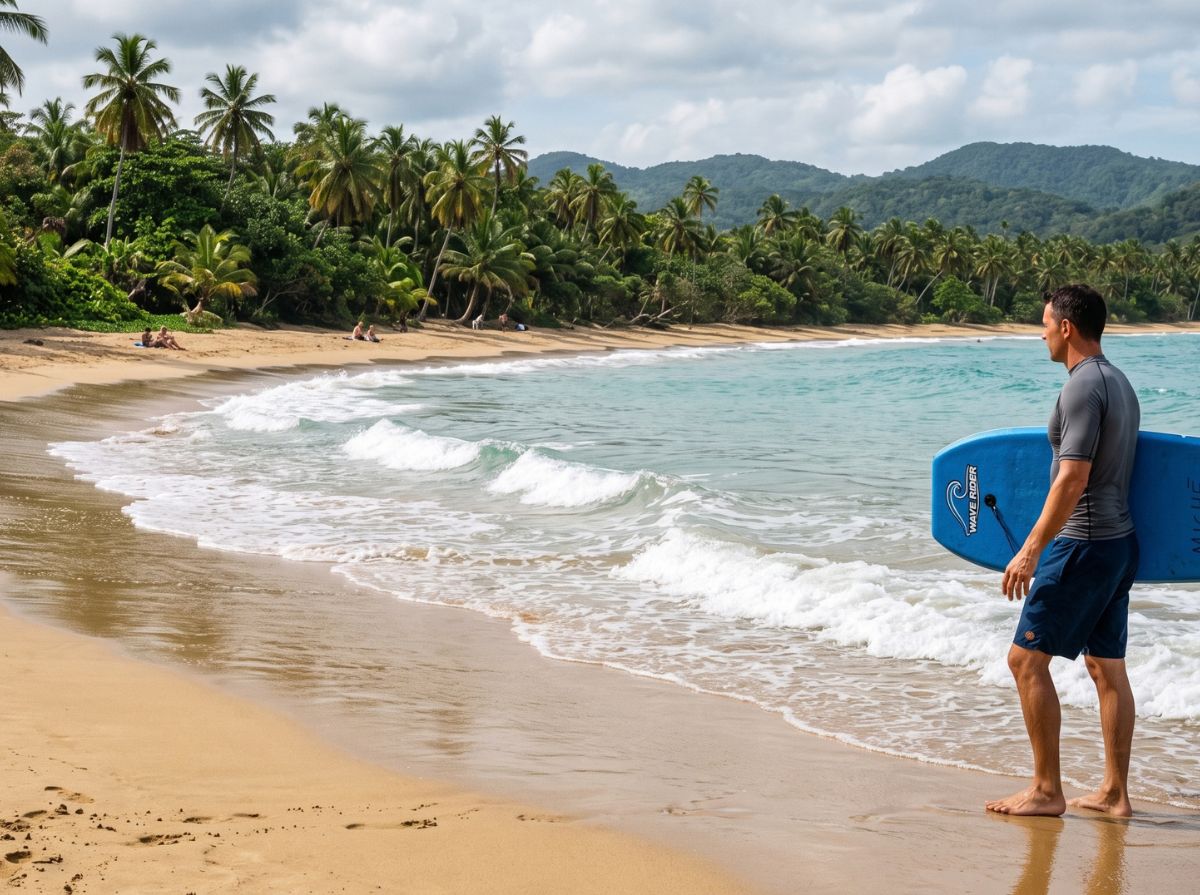
Bodyboarding can turn part of a beach day into a more active experience without requiring the same technique as a surfboard. The board is compact and is usually ridden lying down, using suitable waves close to shore.
But a simple activity does not mean entering the water without checking conditions. Waves, currents, wind, and depth can change, and a Caribbean beach does not behave the same way every day. Before riding, the priority is to assess the actual sea conditions.
This guide is for travelers who want to know what to expect, what equipment is useful, and how to enjoy bodyboarding responsibly during a visit to Playa Esmeralda.
Is Playa Esmeralda Suitable for Bodyboarding?
The answer depends on the day. Bodyboarding needs enough wave energy to move the board, but not excessively rough conditions. Watch the sea for several minutes before entering and ask an experienced local operator when in doubt. If the sea is too flat, the activity may not be worthwhile; if it is too rough, it may not be appropriate for beginners.
Basic Equipment to Use
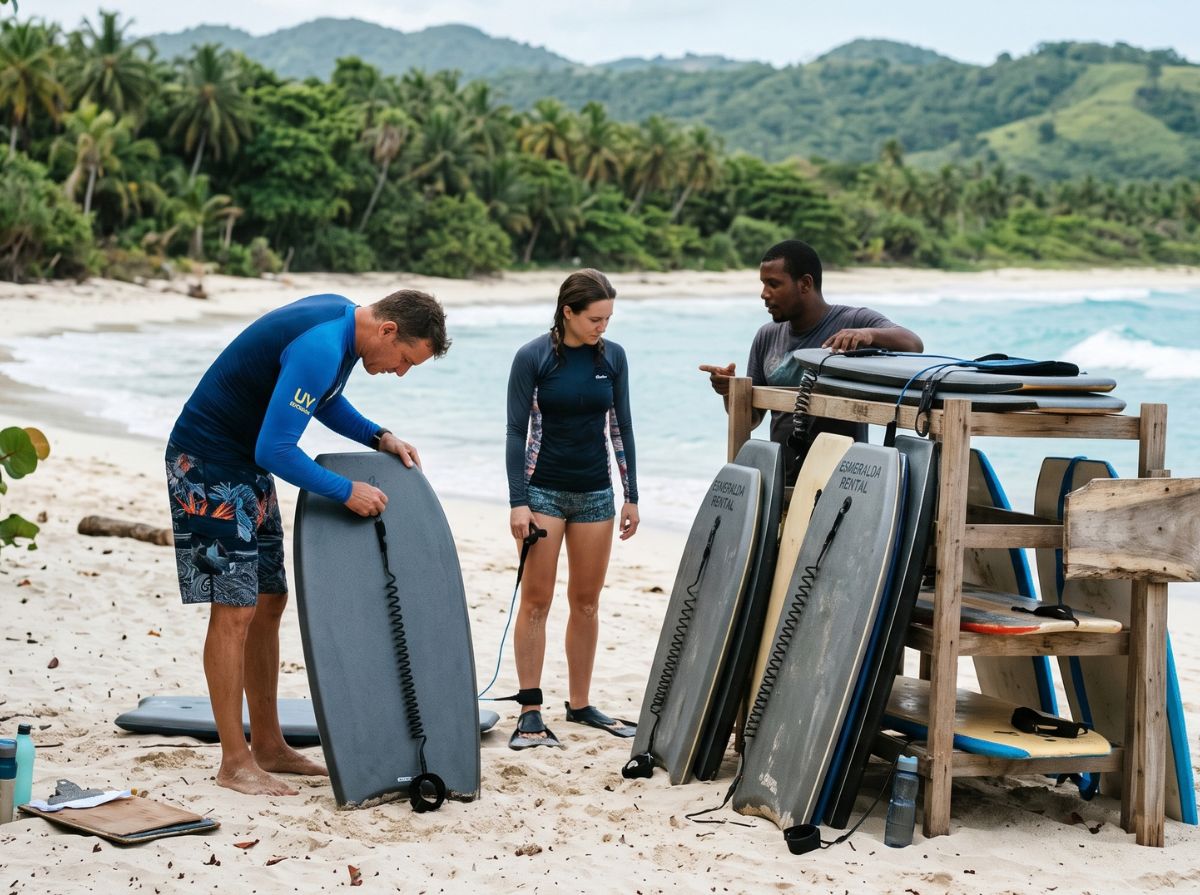
You need a board suited to your size and preferably a leash in good condition so the board stays connected to you. A UV-protective shirt helps with sun exposure and reduces friction. If renting equipment, check the board for significant damage and ask for basic guidance on where entering the water is recommended.
How to Choose Where to Enter
Do not choose an entry point only because you see a wave. Watch where waves break, how water returns to sea, and whether rocks, swimmers, or other obstacles are present. Keep distance from bathers and avoid unfamiliar areas when waves are strong. For a beginner, shallower water and moderate conditions are more sensible.
Best Time and Duration
There is no universal best hour because sea conditions change. Morning may feel comfortable because of temperature and lower accumulated sun exposure, but the decision should be based on actual conditions. For a first experience, shorter sessions with breaks are better than staying in the water continuously for a long time.
Safety for Beginners and Families
Someone who cannot swim confidently should not use a board as a substitute for swimming ability. Children require close adult supervision. Do not treat the board as a flotation safety device and do not assume permanent lifeguard coverage. If conditions make you uncertain, leaving the water is always a valid decision.
20–40 minute sessions with breaks, especially for beginners.
Suitable board, leash, UV shirt, sun protection, and water.
Observe waves, currents, swimmers, and obstacles for several minutes.
For anyone who cannot swim confidently or when sea conditions are rough.
Do I need surfing experience?
No. Bodyboarding is different and often more accessible, although you should be comfortable in the water and respect sea conditions.
Is the board a life-saving device?
No. It should never replace swimming ability or proper safety equipment.
Can children bodyboard?
It depends on age, ability, and conditions. Close adult supervision and an appropriate area are essential.
What if the sea is rough?
Do not enter. Choose another activity and reassess later.
Should I use a leash?
Using a properly fitted leash in good condition is recommended so the board does not get away from you.
Frequently Asked Questions
Before Continuing Your Miches Trip
A good experience is not about completing a checklist. It is about understanding the conditions on the day, organizing the basics, and leaving enough time to enjoy the destination without rushing. Combine this experience with other parts of Miches according to your schedule, weather, and interests, and avoid itineraries so tight that they cannot adapt.
If you are spending several days in the area, treat Playa Esmeralda as part of a broader itinerary. Alternating coast, nature, culture, and food gives you a more complete understanding of the destination.
Do you need a place to stay in Playa Esmeralda?